Did you know that recent high-level calls between world leaders can hold surprising insights into global dynamics? In my work as a journalist, I often see how seemingly minor details from these conversations can reveal much more than what's explicitly stated. A recent call between Donald Trump and Vladimir Putin is a prime example, packed with implications that you might overlook if you're not paying close attention.
The Call That Raised Eyebrows
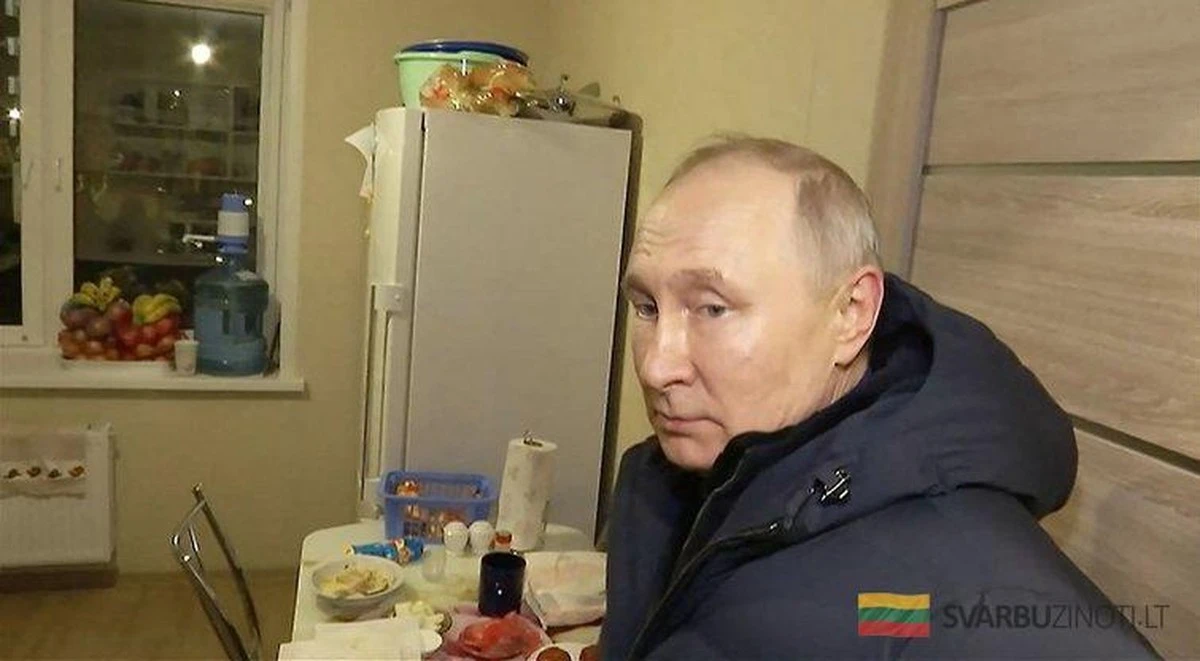
Donald Trump reported on Monday that he had a "very positive" conversation with Russian President Vladimir Putin. The key topics? Ending the four-year war in Ukraine and, intriguingly, Putin's reaction to a US military operation in Iran. This dialogue, the first between the two leaders since December, lasted an hour and was initiated by Washington, according to Russian news agencies citing Putin's diplomatic advisor, Yuri Ushakov.
Putin's Fascination with the Iran Operation
Trump shared that Putin was "very amazed by what he saw" regarding the US and Israeli operation against Iran, stating that "nobody has ever seen anything like it." While Trump didn't elaborate on the specific expressions of this admiration from the Russian leader concerning an attack on one of its allies, the mere mention paints a complex geopolitical picture.
Many might wonder why Putin's reaction to an operation involving Iran, a significant Russian ally, would be a point of fascination. It’s a classic example of how international relations involve layers of strategy and sometimes unexpected alignments. The fact that Putin found it "amazing" suggests a perceived sophistication or scale that impressed him, perhaps even offering a lesson he might consider.
Kremlin's Official Take: "Serious and Constructive"
The Kremlin, in turn, described the call as "open and constructive." Their readout confirmed discussions around Iran and the ongoing bilateral talks with the United States concerning the resolution of the Ukrainian issue. Ushakov highlighted that Putin urged for a "rapid political and diplomatic solution" to the US and Israeli conflict with Iran, a key ally of Russia.
This is where the narrative gets particularly interesting. You have one leader highlighting fascination with a military operation, while the other emphasizes the need for a diplomatic resolution. It underscores the intricate dance of diplomacy and hard power in international affairs.
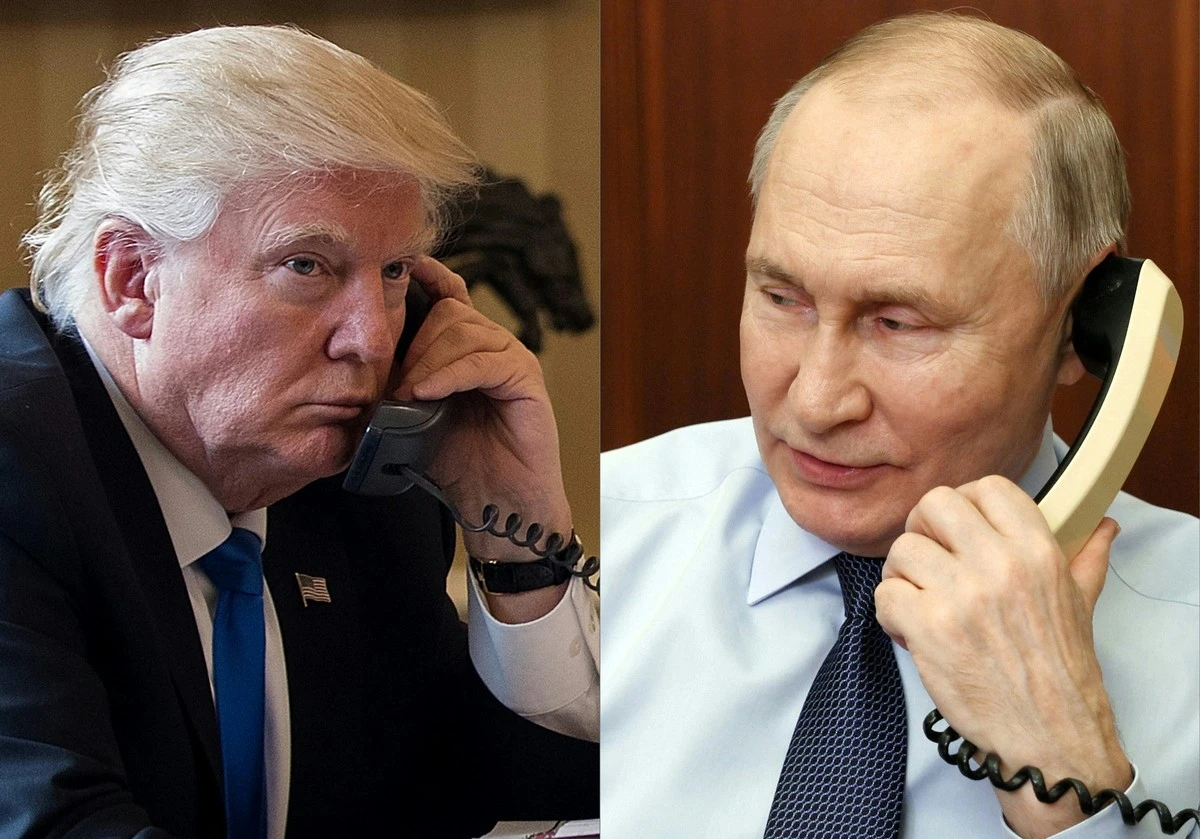
- The call lasted an hour and was the first since December.
- Washington initiated the call.
- Key topics included Ukraine and the US operation in Iran.
- Putin reportedly expressed strong admiration for the Iran operation.
- The Kremlin described the talk as "open and constructive."
A Deeper Look at the Dialogue
Ushakov mentioned that Washington sought to "discuss a range of extremely important issues related to the current international situation." This broad statement likely encompasses the volatile geopolitical landscape, where multiple crises are unfolding simultaneously. The discussion about Ukraine, while expected, takes on new dimensions when paralleled with Putin's apparent interest in the Iran operation.
Think of it this way: in global politics, sometimes a leader’s fascination with one event can reveal their strategic thinking or even their vulnerabilities elsewhere. Putin’s "amazement" might not just be about the military tactics but could also be an assessment of US capabilities and intentions in a sensitive region.
Practical Takeaways for You
This high-level exchange offers a valuable lesson for all of us: understanding international news requires looking beyond the headlines. It’s about recognizing the unspoken subtext and the potential ripple effects of these conversations. You see, just like in personal relationships, what leaders talk about – and how they talk about it – can offer significant clues about their future actions and motivations.
So, the next time you read about a diplomatic call, ask yourself: what’s *not* being said? What might one leader’s reaction to a specific event reveal about their broader strategy?
What Do You Think?
The juxtaposition of discussing Ukraine and Putin's "amazement" at an Iran operation is certainly noteworthy. How do you interpret this dynamic? Does it signal shifting alliances or new strategic considerations on the global stage? Share your thoughts in the comments below!